
My Honest SmartyMe Experience: 90 Days In
Three months ago I installed SmartyMe with the usual mix of curiosity and skepticism. I'd tried learning apps before, all of them ended the same way, and I didn't expect this one to be different. Ninety days in, the honest report is mixed and more interesting than I expected at the start. The format kept me coming back longer than anything I'd tried before, and the limits of what it can do are clearer now than they were at any earlier point.
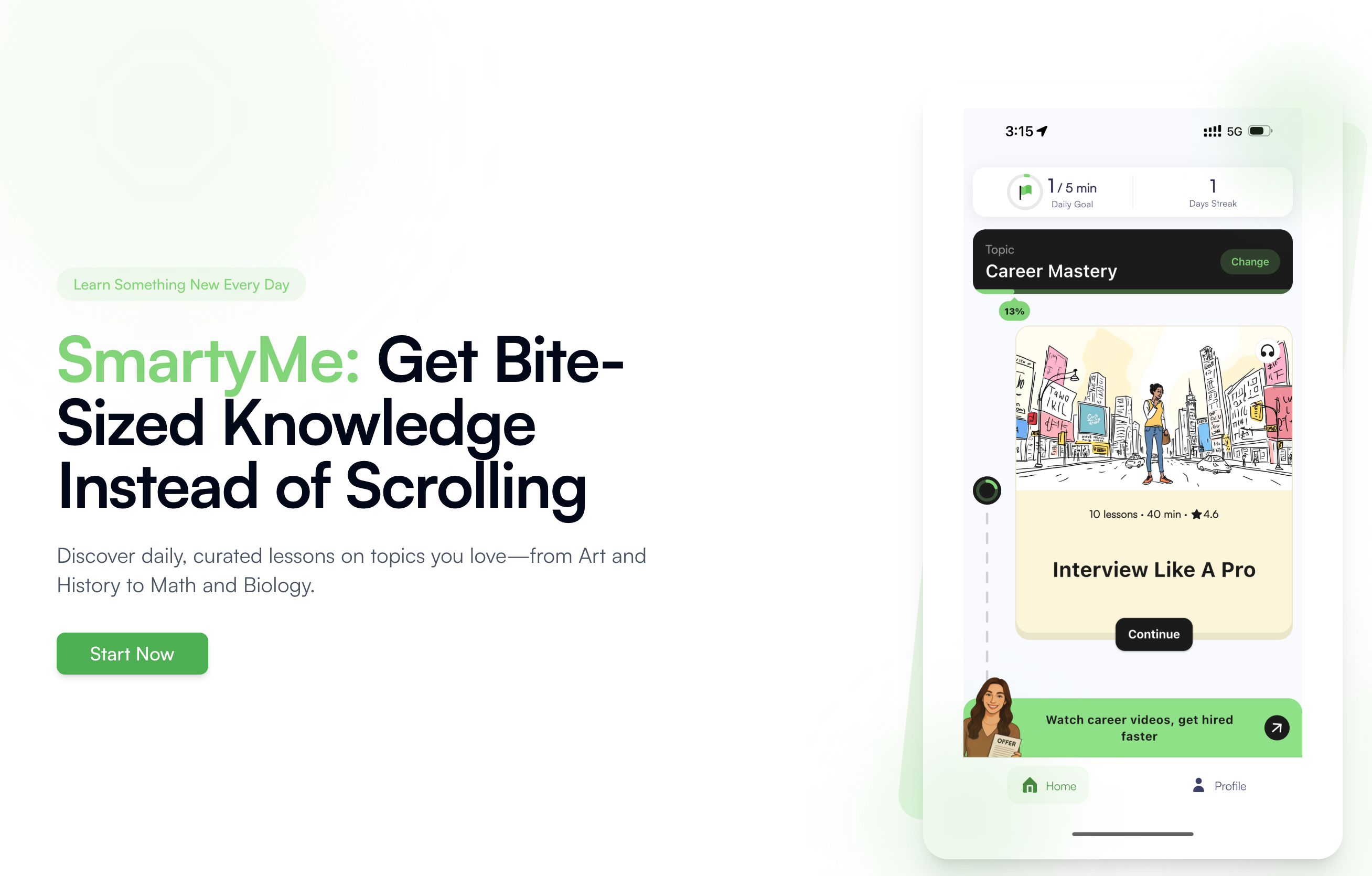
What Actually Stuck After Three Months
The first thing I notice when I look back is how few of the lessons I can name specifically. That sounds bad until you realize it's not about naming lessons. It's about which ideas surface in real situations months later. Concepts from communication came up in a difficult work conversation. An idea about decision-making changed how I thought about a recent purchase. A psychology principle I half-remembered helped me understand why a teammate kept reacting a certain way.
This is what knowledge retention from short daily lessons looks like in practice. Not a memorized library of facts. A small library of ideas that show up when you need them, often without you knowing they're coming.
How the Habit Matured
The first month was effortful. The second was automatic. The third was something different again. By 90 days, the daily lesson had become invisible. I didn't have to remember to do it, didn't have to motivate myself, didn't have to think about it at all. It just happened, the same way coffee happens, somewhere in the first half hour of the day.
This is the point most learning apps never reach, because they're abandoned long before this maturity sets in. The fact that I reached it at all surprised me more than anything else about the experience. For other users curious about which topics best sustain a long-term learning habit, https://www.reddit.com/r/Smartymeapp/comments/1qwh0wv/best_topics_in_smartyme_right_now_and_what_you/ has practical recommendations from people who've been at it longer than I have.
The Topics That Held Up vs. The Ones That Didn't
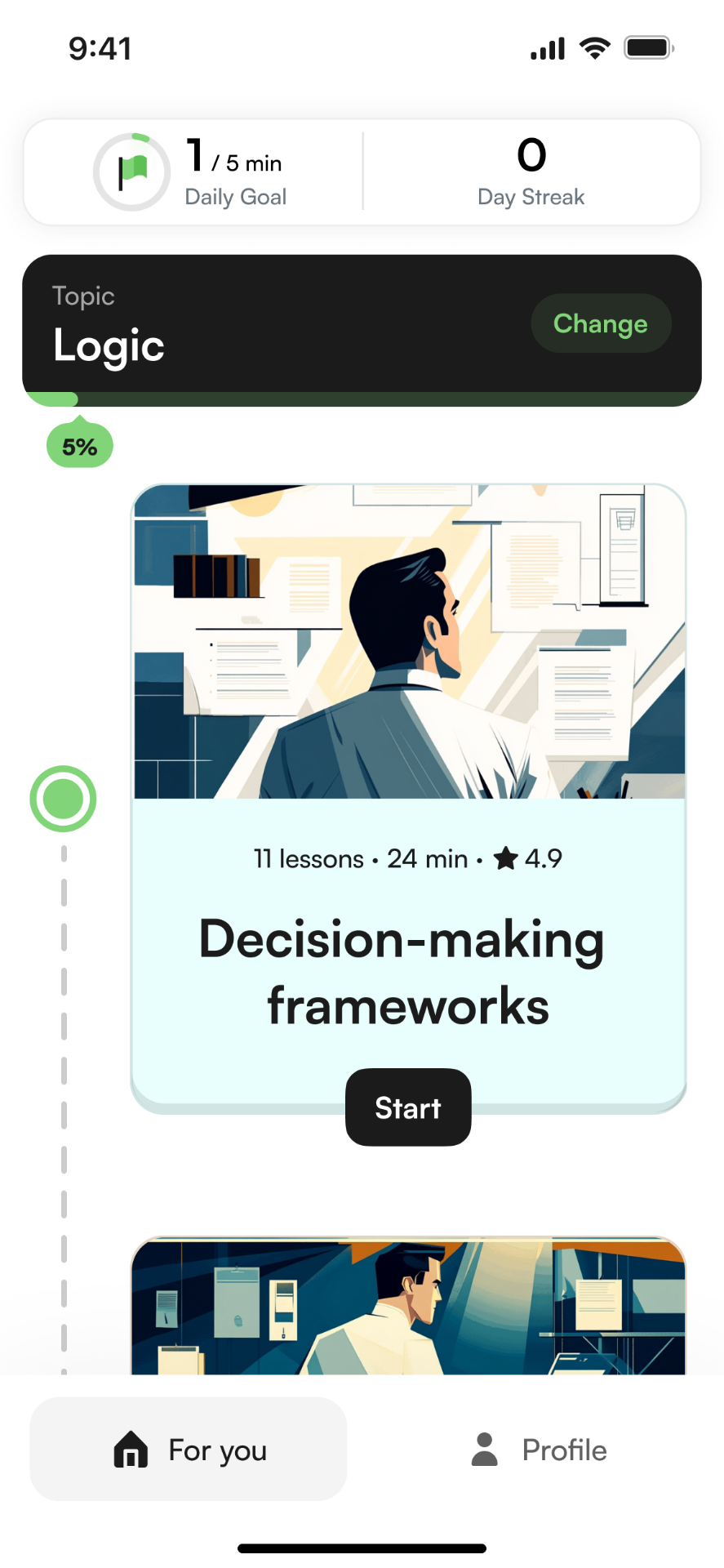
The honest part of this review is acknowledging that not all microlearning topics deliver the same value at the three-month mark. Communication held up. Behavioral psychology held up. Personal finance held up, although the lessons started feeling lighter once I'd absorbed the basics. Other areas were useful early on but didn't keep delivering at the same rate.
This isn't a failure of the catalog. It's a function of how microlearning works. Topics that touch on situations I encounter regularly stayed relevant. Topics tied to specialized fields I don't practically engage with became less useful over time. Anyone subscribing should expect this and treat it as guidance for which topics to commit to, not as a sign that the platform is letting them down.
What Surprised Me About the Long Term
I'd assumed the value would peak in the first month and decline. What actually happened was different. The first month was about excitement. The second was about persistence. The third was where the format started feeling effortless and the ideas started connecting to each other in ways I hadn't predicted. That third-month payoff is what I'd never seen from any previous learning attempt, and it's the part that's hardest to convey to someone considering whether to try the app.
This is also where the limits become clearest. The format isn't building deep expertise. It's building broad awareness, light fluency in many areas, and a daily rhythm that supports curiosity without demanding heavy time investment. Anyone wanting more than that should understand the format isn't built for it.
The 90-Day Honest Answer
If someone asked me today whether to try the app, my answer would be more measured than it would have been at 30 days. Yes, if you actually want a daily learning habit and you're willing to give it three months to show what it can do. No, if you expect quick results or deep mastery. The format works for people who treat it as a long-term practice rather than a quick win, and the third month is where that distinction becomes obvious. The first 30 days are a test of curiosity. The 90-day mark is where you find out what kind of learner you actually are.

